









AI Medical and Healthcare Careers: Clinics and Clinical Decision Support (Exhaustive Career Paths, Hiring Ecosystem, and Entrepreneurial Opportunities)
A comprehensive, up-to-date guide to AI medical and healthcare careers focused on clinics and clinical decision support systems. Covers exhaustive education pathways (certifications, licenses, degrees, master’s, PhDs), actively hiring companies, startups, NGOs, governments, job boards, LinkedIn optimization strategies, and innovative entrepreneurial opportunities.
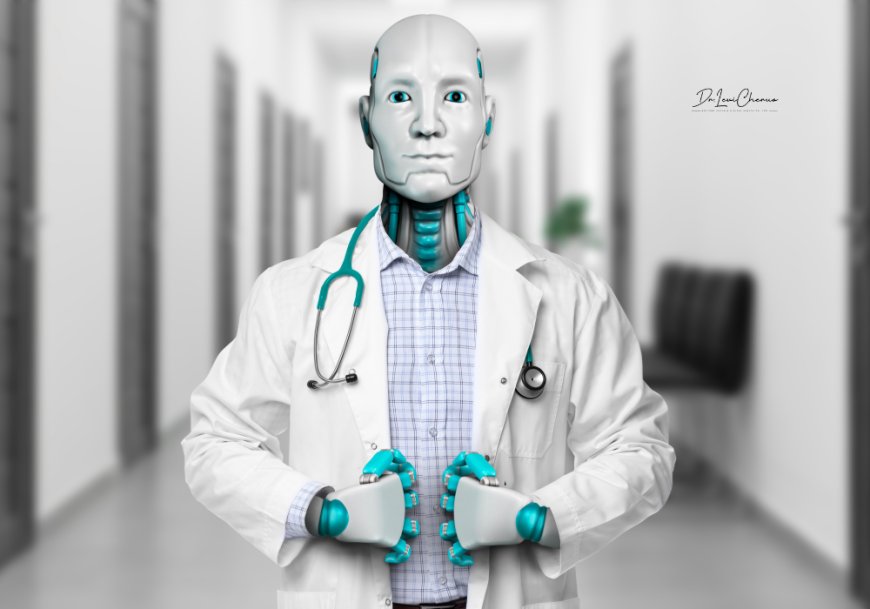
Introduction
Artificial Intelligence (AI) is no longer a peripheral innovation in healthcare; it is now a core clinical infrastructure component across outpatient clinics, hospitals, diagnostic centers, and community health systems. From AI-assisted triage in primary care clinics to real-time clinical decision support (CDS) embedded in Electronic Health Records (EHRs), AI is reshaping how clinicians diagnose, treat, document, and manage patients at scale.
Clinics are the frontline execution layer of healthcare systems. This is where AI adoption has the most immediate human impact: reducing diagnostic error, improving clinician efficiency, extending specialist-level decision support into underserved regions, and standardizing evidence-based care. Clinical Decision Support Systems (CDSS), powered increasingly by machine learning, natural language processing, and generative AI, are central to this transformation.
This document is intentionally exhaustive. It is written for:
-
Physicians, nurses, pharmacists, and allied health professionals seeking AI-enabled career expansion
-
Data scientists, ML engineers, and software engineers entering regulated clinical environments
-
Health informaticians, biomedical engineers, and clinical researchers
-
Public-sector professionals, NGOs, and global health practitioners
-
Entrepreneurs, founders, and inventors building clinic-facing AI systems
The guide covers:
-
A full taxonomy of AI medical and healthcare careers in clinics and CDS
-
Complete education and credential pathways (certifications, licenses, degrees, MSc, PhD, fellowships)
-
Actively hiring job boards, companies, startups, governments, parastatals, NGOs, and foundations with real, functional URLs
-
Advanced LinkedIn optimization strategies specific to medical AI
-
Entrepreneurial, self-employment, and invention-driven career models
This is designed as a long-term reference document, not a superficial overview.
Section 1: Clinics and Clinical Decision Support — Technical and Operational Foundations
1.1 What Clinics Represent in the AI Healthcare Ecosystem
Clinics include:
-
Primary care clinics
-
Specialty outpatient clinics (cardiology, oncology, psychiatry, endocrinology)
-
Diagnostic clinics (radiology, pathology, labs)
-
Community and rural health clinics
-
NGO and public-sector clinics
Clinics are uniquely suited for AI adoption because they generate high-volume, structured and unstructured data while operating under intense time, staffing, and cost pressures.
1.2 Clinical Decision Support Systems (CDSS)
Clinical Decision Support Systems are software tools designed to enhance clinical decision-making by delivering patient-specific assessments or recommendations to clinicians at the point of care.
Core CDS Functions:
-
Diagnostic support
-
Risk prediction and stratification
-
Medication safety alerts
-
Care pathway recommendations
-
Preventive care reminders
-
Population health analytics
AI-Driven CDS vs Rule-Based CDS:
-
Rule-based CDS relies on static if–then logic
-
AI-driven CDS learns from data, adapts over time, and handles uncertainty
1.3 AI Technologies Used in Clinics
-
Machine Learning: logistic regression, random forests, gradient boosting
-
Deep Learning: CNNs for imaging, transformers for text
-
NLP: clinical note extraction, coding automation, summarization
-
Generative AI: documentation, discharge summaries, patient education
-
Reinforcement Learning: treatment optimization
-
Explainable AI (XAI): model transparency for clinicians
Section 2: Exhaustive Career Taxonomy — AI Roles in Clinics and CDS
Category A: Licensed Clinical Professionals Using and Leading AI
2.1 AI-Enabled Physician / Medical Officer
Core Role:
Physicians who integrate AI-based CDS into routine clinical decision-making and may act as clinical champions for AI adoption.
Primary Education Path:
-
MBChB / MD / DO
-
Internship and residency
-
National medical licensure
AI-Specific Upskilling:
-
Certificates in AI in Healthcare
-
Clinical informatics short courses
-
Vendor-specific CDS training
Advanced Degrees (Optional):
-
MSc Health Informatics
-
MSc Biomedical Informatics
-
MPH with Health Analytics
-
PhD (for academic or research-heavy paths)
Career Progression:
-
Clinician → AI Clinical Champion → Clinical AI Director → Chief Medical Informatics Officer (CMIO)
2.2 Clinical Informatics Physician
Role:
Physicians formally trained to design, implement, evaluate, and govern clinical information systems and CDS.
Education Path:
-
Medical degree
-
Residency
-
Clinical Informatics Fellowship (where available)
Certifications:
-
Board Certification in Clinical Informatics (US)
-
Equivalent national credentials elsewhere
Employers:
-
Hospital systems
-
Health ministries
-
EHR vendors
2.3 AI-Enabled Nurse / Advanced Practice Provider
Role:
Nurses and nurse practitioners using AI-driven triage, monitoring, and workflow tools.
Education:
-
Nursing degree (RN, BSN, MSN)
-
Nursing informatics training
Certifications:
-
Nursing Informatics Certification
-
Health IT certificates
Category B: Non-Clinical Technical and Analytical Roles
2.4 Healthcare Data Scientist
Role:
Designs predictive and descriptive models using clinical, claims, and operational data.
Education:
-
BSc: Data Science, Statistics, Computer Science
-
MSc: Data Science, AI, Health Data Science
-
PhD (optional)
Key Skills:
-
Python, R
-
SQL
-
ML libraries
-
Clinical data standards
2.5 Clinical AI / ML Engineer
Role:
Builds, validates, deploys, and monitors AI models in clinical environments.
Education:
-
BSc Computer Science / Engineering / Biomedical Engineering
-
MSc AI / ML / Biomedical AI
Regulatory Knowledge:
-
Software as a Medical Device (SaMD)
-
Model validation and bias management
2.6 Health Informatics Specialist
Role:
Manages EHR systems, interoperability, and CDS integration.
Education:
-
BSc Health Information Management
-
MSc Health Informatics
Certifications:
-
RHIA / RHIT
-
HL7 FHIR
Category C: Research, Governance, and Policy Roles
2.7 Clinical AI Research Scientist
Education:
-
MSc Biomedical Informatics
-
PhD AI / Biomedical Engineering / Clinical Research
Focus:
-
Model validation
-
Clinical trials
-
Explainability
2.8 AI Governance and Ethics Officer
Role:
Ensures safe, ethical, and compliant AI use in clinics.
Education:
-
Law, Ethics, Health Policy, Data Science
-
AI ethics certifications
Section 3: Education, Degrees, Certifications, and Licensing — Complete Pathways
3.1 Certificates and Micro-Credentials
-
AI in Healthcare (Coursera, edX)
-
Clinical Informatics (HIMSS)
-
Digital Health Certificates
-
Regulatory AI and SaMD training
3.2 Undergraduate Degrees
-
Biomedical Engineering
-
Computer Science
-
Nursing Informatics
-
Health Information Management
3.3 Master’s Degrees
-
MSc Health Informatics
-
MSc Biomedical Informatics
-
MSc AI / Machine Learning
-
MPH (Health Analytics)
3.4 Doctoral and Postdoctoral Pathways
-
PhD in AI
-
PhD in Biomedical Informatics
-
PhD in Clinical Research
-
Postdoctoral fellowships in medical AI
Section 4: Actively Hiring Job Boards, Platforms, and Employers (Current and Functional)
4.1 Global Job Boards
4.2 Healthcare-Specific Job Boards
4.3 Major Technology and Healthcare Companies
4.4 Healthcare AI Startups
4.5 Governments, Parastatals, and Public Sector
4.6 NGOs, Foundations, and Global Health
Section 5: Advanced LinkedIn Optimization for AI Healthcare Careers
5.1 Profile SEO
-
Headline: combine clinical + AI keywords
-
About section: problem–impact–solution framing
5.2 Experience Positioning
-
Quantify clinical and AI impact
-
Highlight regulated environments
5.3 Content Strategy
-
Share case studies
-
Comment on peer-reviewed research
5.4 Recruiter Algorithms
-
Keyword density
-
Skills taxonomy alignment
Section 6: Entrepreneurial, Self-Employment, and Invention Pathways
6.1 Startup Models
-
AI triage platforms
-
Remote CDS for rural clinics
-
Imaging AI services
6.2 Consulting and Contracting
-
CDS implementation consulting
-
AI compliance advisory
6.3 Invention and IP
-
Low-cost diagnostic AI tools
-
Mobile-first CDS systems
Section 7: Country‑Specific Licensing, Regulation, and Career Entry Pathways
AI healthcare careers are inseparable from national licensing, regulatory approval, and professional accreditation. Below is a structured breakdown of how professionals enter and advance in AI‑enabled clinical and CDS roles across major regions.
7.1 United States
Clinical Professionals:
-
MD / DO → USMLE → State Medical License
-
Residency + Board Certification
-
Optional: Clinical Informatics Fellowship
AI & CDS Roles:
-
FDA Software as a Medical Device (SaMD) familiarity is critical
-
HIPAA, HITECH, ONC interoperability rules
Key Employers:
-
Integrated health systems
-
Health IT vendors
-
Federal agencies
Regulators:
-
FDA
-
ONC
-
CMS
7.2 United Kingdom
Clinical Pathway:
-
MBBS / MBChB
-
GMC registration
-
NHS clinical roles
AI & Informatics:
-
NHS Digital standards
-
MHRA medical device regulation
Key Employers:
-
NHS Trusts
-
NHS England
-
Digital health startups
7.3 European Union
Regulatory Framework:
-
CE marking
-
EU AI Act (high‑risk medical AI)
Careers:
-
Clinical informatics specialists
-
AI compliance and governance officers
7.4 Africa
Context:
-
Severe clinician shortages
-
High mobile penetration
-
Strong NGO and donor involvement
Career Opportunities:
-
AI‑enabled telemedicine
-
Mobile CDS tools
-
NGO‑led deployments
Key Employers:
-
Ministries of Health
-
WHO country offices
-
Global NGOs
7.5 Asia & Middle East
Trends:
-
Rapid digitization
-
Government‑led AI strategies
Roles:
-
Smart hospital AI leads
-
National health analytics teams
Section 8: Salary Bands, Seniority Levels, and Career Progression
8.1 Clinical AI Roles (Annual, Approximate)
-
AI‑Enabled Clinician: Mid to senior clinical salary + premium
-
CMIO / CCIO: Executive‑level compensation
8.2 Technical Roles
-
Healthcare Data Scientist: Entry → Senior → Principal
-
Clinical AI Engineer: Senior and staff‑level demand is highest
8.3 Research and Policy Roles
-
Clinical AI Research Scientist
-
Health AI Policy Advisor
Section 9: Advanced LinkedIn and Career Visibility Strategy
9.1 Profile Architecture
-
Headline formula: Role + Domain + Impact
-
Example: “Clinical AI Specialist | CDS & EHR Optimization | SaMD‑Aware”
9.2 Portfolio Strategy
-
GitHub (de‑identified datasets)
-
Publications
-
Conference posters
9.3 Recruiter Signaling
-
Skills taxonomy alignment
-
Consistent keyword usage
Section 10: Entrepreneurial Playbooks and Self‑Employment Models
10.1 Clinic‑Embedded SaaS
-
AI triage tools
-
Predictive appointment optimization
10.2 Service‑Based Models
-
CDS customization consulting
-
Model validation services
10.3 IP‑Driven Ventures
-
Diagnostic algorithms
-
Decision engines
Section 11: Grants, Accelerators, and Non‑Dilutive Funding
11.1 Global Programs
-
Government innovation grants
-
Multilateral donor funding
11.2 Accelerators
-
Health‑tech accelerators
-
AI‑focused venture studios
Section 12: Clinics in Low‑Resource and Humanitarian Settings
12.1 Use Cases
-
Maternal health CDS
-
Infectious disease surveillance
12.2 Employers
-
International NGOs
-
UN agencies
Section 13: Future Outlook (2025–2035)
-
AI copilots embedded in EHRs
-
Regulation‑first innovation
-
Rise of clinical AI generalists
Section 14: Market Size, Workforce Statistics, and Hiring Demand (Latest Insights)
14.1 Global Market Size and Growth
-
The global AI in healthcare market has crossed tens of billions of USD annually and is growing at compound annual growth rates exceeding 35–40%, driven primarily by clinical decision support, imaging diagnostics, and workflow automation.
-
Clinical Decision Support Systems (CDSS) represent one of the fastest-growing subsegments due to:
-
Regulatory encouragement for patient safety
-
Clinician burnout and staffing shortages
-
Explosion of EHR data requiring real-time interpretation
-
Clinics, not hospitals alone, now account for a majority of new AI deployments, especially in outpatient, chronic care, and preventive medicine settings.
14.2 Workforce Demand Statistics
-
Healthcare systems globally face a shortfall of millions of clinicians, creating urgency for AI-augmented care models.
-
Demand growth rates (approximate, global):
-
Clinical Informatics Professionals: 2–3× faster than general clinical roles
-
Healthcare Data Scientists: 30%+ annual growth
-
Clinical AI / ML Engineers: 40%+ annual growth
-
AI Governance & Ethics Officers: newly emerging but accelerating sharply
-
Key insight: Hybrid professionals (clinical + AI or policy + AI) command the strongest job security and compensation.
14.3 Skill Shortage Hotspots
-
Model validation in clinical environments
-
Explainable AI for regulated care
-
Integration of AI into EHR workflows
-
Bias detection and mitigation in clinical datasets
-
Real-world evidence generation
These gaps define where hiring budgets are expanding fastest.
Section 15: Deep Dive — Clinical Decision Support Use Cases by Specialty
15.1 Primary Care Clinics
-
AI-assisted triage and symptom checking
-
Preventive screening reminders
-
Chronic disease risk prediction
Impact:
-
Reduced unnecessary referrals
-
Improved early detection
15.2 Emergency and Urgent Care Clinics
-
Sepsis prediction
-
Patient deterioration alerts
-
Imaging prioritization
Impact:
-
Mortality reduction
-
Faster decision cycles
15.3 Specialty Clinics
Cardiology:
-
Arrhythmia detection
-
Heart failure risk stratification
Oncology:
-
Treatment pathway recommendations
-
Toxicity prediction
Psychiatry:
-
Suicide risk prediction
-
Treatment response modeling
15.4 Diagnostic Clinics (Radiology, Pathology, Labs)
-
Image interpretation support
-
Worklist prioritization
-
Quality assurance
These domains represent the most mature AI-CDS deployments.
Section 16: CDS Architecture, Data Pipelines, and Deployment Reality
16.1 Data Sources
-
EHR structured data
-
Clinical notes
-
Imaging
-
Wearables and remote monitoring
16.2 Pipeline Stages
-
Data ingestion
-
Cleaning and normalization
-
Model inference
-
Explainability layer
-
Clinician-facing interface
-
Continuous monitoring
Each stage creates distinct job roles and career niches.
16.3 Deployment Constraints
-
Latency requirements in clinics
-
Integration with existing workflows
-
Clinician trust and adoption
Failure here—not model accuracy—is the number one cause of AI-CDS project collapse.
Section 17: Risk, Liability, and Malpractice in AI-Enabled Clinics
17.1 Liability Models
-
AI as decision support, not decision maker
-
Clinician remains legally accountable
17.2 Career Implications
-
High demand for AI risk specialists
-
Growth of clinical AI auditing roles
This area is becoming a career moat for professionals who understand both medicine and law/ethics.
Section 18: Procurement, Sales, and Implementation — The Hidden Career Layer
18.1 How Clinics Buy AI
-
Pilot programs
-
Evidence-based evaluation
-
Procurement committees
18.2 Roles
-
Clinical AI Product Manager
-
Implementation Specialist
-
Clinical Solutions Architect
These roles are less visible but extremely well compensated.
Section 19: Day-in-the-Life — Key AI Clinic Roles
19.1 Clinical AI Lead
-
Morning: model performance review
-
Midday: clinician feedback sessions
-
Afternoon: governance and roadmap planning
19.2 Healthcare Data Scientist
-
Feature engineering
-
Bias analysis
-
Validation studies
Section 20: Strategic Career Positioning — How to Win Long-Term
20.1 The T-Shaped Professional Model
-
Deep expertise in one domain
-
Broad fluency across AI, regulation, and clinical workflows
20.2 Anti-Fragility Strategy
-
Avoid single-vendor dependence
-
Build portable skills
Conclusion
AI in clinics and clinical decision support is not a trend cycle; it is a structural transformation of healthcare delivery. The careers described in this document sit at the intersection of patient safety, technology, regulation, and global equity.
Those who invest early in hybrid expertise, real-world clinical exposure, and ethical literacy will not only remain employable—they will become indispensable. This document is intended to function as a career map, opportunity scanner, and strategic reference for the next decade of AI-driven healthcare.
What's Your Reaction?
 Like
0
Like
0
 Dislike
0
Dislike
0
 Love
0
Love
0
 Funny
0
Funny
0
 Angry
0
Angry
0
 Sad
0
Sad
0
 Wow
0
Wow
0